
What to Expect During an Emergency Roof Tarping Service After a Severe Storm
What to Expect During an Emergency Roof Tarping Service After a Severe Storm
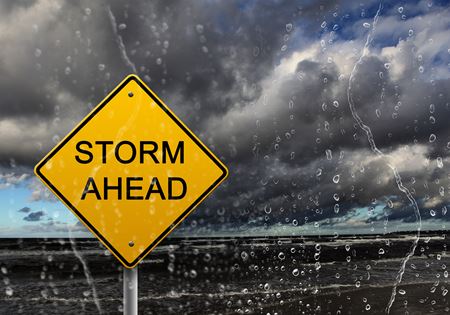
When a powerful storm rips through and rain starts seeping in, an emergency roof tarping service is the fastest way to stop active leaks and protect your home. This quick guide explains how Method Roofing & Solar handles your call, conducts the inspection and damage assessment, installs the tarp, creates documentation for your insurance claim, and schedules permanent roof repairs. If you want an overview of our approach to emergency roof tarping, you are in the right place.
First Contact And Rapid Scheduling
Your experience starts with a quick call to our team at 407-605-5733. We gather essential details like the age of the roof, where water is showing up inside, whether power is out, and whether any trees or utility lines are down. This helps us send the right crew with the right materials, even when the weather is still passing through the area.
We then provide a target arrival window based on road conditions and the job queue. Weather, downed trees, and neighborhood access can affect timing, but we keep you updated by text or phone. If conditions are unsafe for roof access, our crew will wait until it is safe to proceed, then head straight to your property.
Safety Check And Initial Roof Damage Assessment
On arrival, the crew sets up a safe work zone. We check for hazards such as live wires, unstable decking, or broken glass. If wind is still gusting or lightning is nearby, we pause until it is safe. Your safety and the crew's safety come first.
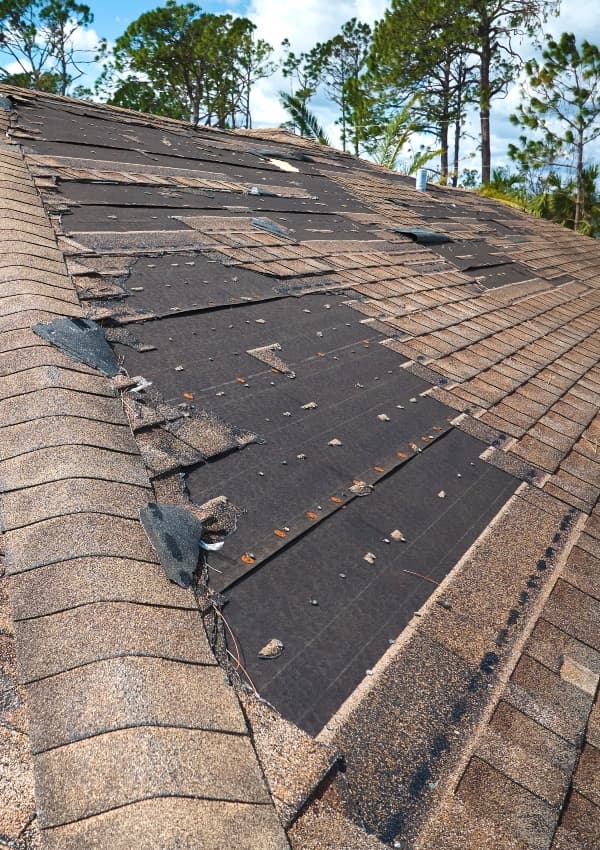
Next, we complete an exterior assessment of the roof covering, flashing, ridges, valleys, vents, skylights, and chimneys. Inside, we look at ceilings, attic access, and insulation for signs of active leaks. This tells us where water is entering and how far the moisture may have traveled.
Do not climb on the roof after a storm. Surfaces are slick, shingles can be loose, and unseen structural damage may exist. Our team is trained and equipped for these conditions.
High winds can shift ladders and pull at loose shingles long after the main storm line has moved on. Waiting for a safe-weather window protects you and allows our crew to tarp the roof securely the first time. A careful start saves time and reduces the chance of follow-up leaks.
Documentation For Insurance Claims
Most homeowners want clear, organized records for their claim. We take comprehensive photos and notes before, during, and after the tarp is installed. That way, your adjuster can see the pre-tarp condition and the temporary protective measures that prevented further damage. We label photos to show specific slopes, penetrations, and materials, which makes the adjuster's review faster and lowers the chance of back-and-forth requests.
- Overview photos showing each roof slope and affected elevations
- Close-ups of damaged shingles, flashing, vents, skylights, or decking
- Interior photos of ceiling stains, wet insulation, and active drips
- Images of the tarp layout, anchor points, and sealed edges after installation
We also prepare a written scope describing the observed damage, the emergency steps taken, and any immediate risks that remain. You can share this with your carrier and your adjuster during the claim process. Keep all paperwork and photos in one folder so nothing is misplaced as you move from emergency work to permanent repairs.
How The Tarp Is Installed And Secured
Every home is different, but the goal is the same: stop water at the source and control where it flows until the roof is permanently repaired. We select a durable, reinforced polyethylene tarp sized to cover the damaged area with a generous overlap. The crew lays the tarp so water sheds with the slope, never into side laps or uphill seams. When possible, we extend coverage over the ridge to guard against wind lift.
Edges are anchored using boards or cap fasteners placed into solid framing members when accessible, then sealed to limit wicking. Penetrations around chimneys, vents, and skylights are wrapped and overlapped so runoff is directed over the top layer, not under it. Valleys and eaves receive extra attention because they concentrate water and can be prone to splash-back.
In many cases, we add underlayment or slip-sheets beneath contact points to reduce abrasion, then tension the tarp to shed water cleanly. If the roof deck is compromised in spots, we isolate those areas and redirect water until the decking can be replaced. The result is a dry-in that buys time for a thorough, lasting repair.
Temporary tarps are not a final fix. They are a strategic shield to prevent new damage while you move through the claim and scheduling process.
Bringing you the best in Roofing & Solar
Complete Home Protection Services
Roofing Services
Method Roofing & Solar provides dependable roofing services designed to protect homes and businesses throughout the Orlando Area. Our team offers solutions including roof repairs, replacements, inspections, and maintenance to help extend the life of your roofing system. With a focus on quality workmanship and customer satisfaction, we deliver reliable results for every project.
Roof Types
Method Roofing & Solar works with a variety of roofing systems to meet the needs of different properties and budgets. Our experienced team can assist with options such as asphalt shingles, metal roofing, tile roofing, and other durable materials. We help customers choose the right roof type based on their property, preferences, and long-term goals.
Solar Panel Services
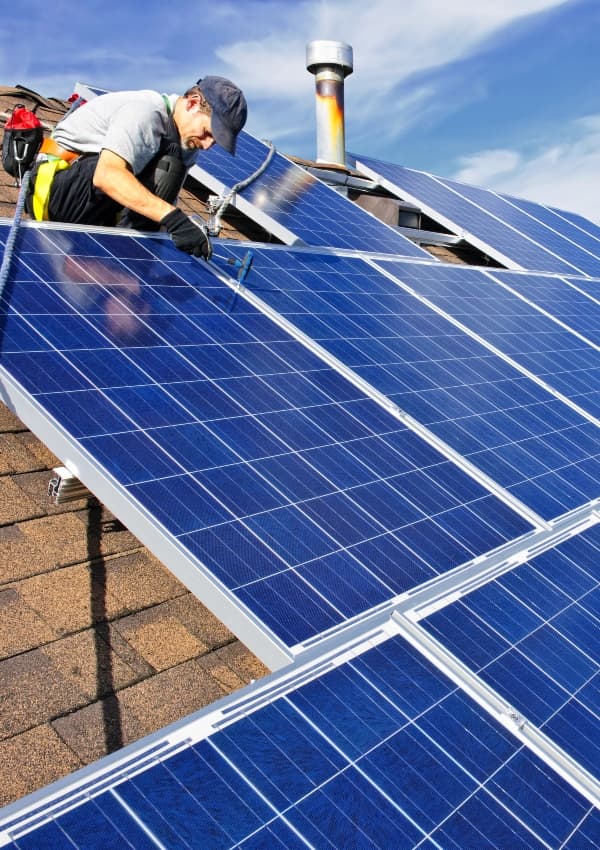
Method Roofing & Solar provides professional solar panel services to help property owners improve energy efficiency and take advantage of renewable energy solutions. From system design and installation to upgrades and support, our team makes the process straightforward. We focus on delivering reliable solar solutions that are built for long-term performance.
Storm Restoration
Method Roofing & Solar offers storm restoration services to help repair damage caused by severe weather events. Our team can assess roofing issues, provide necessary repairs, and restore your property with dependable solutions. We are committed to helping customers recover quickly with responsive service and quality restoration work.
What Happens Next: From Dry-In To Permanent Repairs
After the emergency dry-in, we map out the next steps. That includes a moisture check in attics and living spaces, a plan for ventilation or dehumidification if needed, and a target date for permanent repairs. Lead times can vary by season and storm size. Widespread events may stretch material availability and crew schedules. We will give you realistic updates and help coordinate with your adjuster so repairs begin as soon as approvals land.
Want to explore everything Method Roofing & Solar can help with beyond tarping? A quick visit to our home page highlights core services so you can plan the rest of your project once your roof is secured.
Timelines You Can Expect
Exact timing depends on the size of the storm, road access, and safety conditions. Still, most homeowners appreciate a general sense of what the day could look like. These ranges are common, but they are not promises. Weather and safety always set the pace.
- Arrival window: often the same day for urgent leaks, subject to road closures and weather holds
- On-site assessment: typically 20 to 45 minutes, longer if access is limited
- Tarp installation: commonly 60 to 180 minutes, depending on roof height, slope, and damaged area
- Photo documentation and homeowner review: 10 to 20 minutes before we depart
If conditions change during the visit, we will adjust the plan and explain why. The aim is a safe, watertight result that stands up to lingering showers and gusts that often follow a major storm.
What Our Crew Handles While You Wait
There is usually a short window between scheduling and arrival. During that time, our dispatcher stays in touch with updates. The field team brings ladders, harnesses, anchor boards, cap fasteners, heavy-duty tarps, sealant, and lighting so work can proceed as soon as the roof is safe to access. If the power is out, we have portable lighting for attic checks and interior documentation.
Once on site, you can expect a walk-through of the plan, clear communication about which entrances we will use, and a friendly review of any areas we need you to avoid for safety. We protect landscaping where possible and clean up job-related debris before we leave.
How We Coordinate With Your Insurance Adjuster
After emergency work, most carriers ask for photos, a written description of the damage, and a record of the temporary measures taken to prevent further loss. We compile these items in a shareable format and, if you request it, we can send them directly to your adjuster. We also note any structural concerns that could affect the estimate for permanent repairs. This proactive approach helps your claim move along with fewer delays.
The adjuster may schedule an inspection at your home. If timing works, we can meet them on-site to point out affected areas and answer questions about the temporary dry-in. Clear documentation and cooperation keep everyone on the same page.
Quality Standards You Can Count On
Emergency work is only effective if it is secure and thoughtfully installed. Our crews use materials sized for roof work, not general-purpose tarps that tear under wind load. Anchors are placed to balance holding power and protection of the roof structure. We aim for clean water shedding, tight edges, and a layout that avoids trapping moisture or creating backflow at valleys and ridges.
Before we leave, we review interior areas again for active moisture, confirm that drips have stopped, and discuss what to watch for during the next rain. If a seam needs tensioning or an edge needs extra fasteners, we handle it on the spot.
Choosing A Roofing Company You Can Trust
When storms hit, anyone can claim they offer help. Look for a roofing company with trained crews, strong communication, and clear documentation practices. Ask how they secure tarps on steep slopes, how they protect chimneys and skylights, and how they track photos for your file. A team that answers with specifics will likely deliver a better result when the weather is still unsettled.
If you have questions at any point, reach us at 407-605-5733. We will explain what we see and what we recommend, in plain language.
Scheduling Permanent Roof Repairs
With the leak contained, the focus shifts to restoring your roof. We help you select materials that match your existing system, confirm manufacturer requirements, and line up a repair date. The crew that tarped your roof shares notes with the repair team so the handoff is smooth. When it is time to remove the tarp, we do so carefully to avoid disturbing undamaged areas.
As you plan next steps, you can revisit our overview of emergency roof tarping to understand how the temporary work supports a lasting repair. The goal is simple: a dry home now and a durable roof for the seasons ahead.
Need emergency roof tarping now? Call Method Roofing & Solar at 407-605-5733 for priority service today.
How Can We Help?
Storm Damage? We're Ready 24/7
Our commitment to precision and quality is built around your project’s success. Driving meaningful progress from start to finish.